
Dr. Pinky Agarwal
Staff Scientist V
Ph. D. (Plant Molecular Biology – South Campus Delhi University)
- 91-11-26735211, Fax: 91-11-26741658
- pinky.agarwal@nipgr.ac.in
Profile
Research Area
Enhancing Rice Grain Yield and Nutritional Quality
(Deciphering the molecular mechanisms underlying seed development to enhance rice productivity and improve grain quality by increasing protein and optimizing amylose content)
Research Interests
Context
Rice is the primary staple food for more than half of the world’s population, with the grain serving as the edible and nutritionally important component. The major constituent of rice grain is starch, which is composed of two polysaccharides: amylose and amylopectin. Rice varieties with a higher amylose-to-amylopectin ratio generally have a lower glycemic index, resulting in slower starch digestion and a more gradual release of glucose into the bloodstream. Such varieties are therefore considered a healthier dietary option, particularly for managing blood sugar levels.
Beyond providing dietary energy, rice is also an important source of protein, especially in low- and middle-income countries where it forms a substantial part of the daily diet. Enhancing grain protein content while optimizing starch composition can significantly improve the nutritional value of rice and contribute to better public health outcomes.
Simultaneously, meeting the food demands of a growing global population requires sustained improvements in rice productivity. Increasing grain yield remains a major agricultural priority, particularly under the constraints of limited arable land and changing climatic conditions.
Our research is driven by the vision of developing next-generation rice lines that combine high grain yield with superior nutritional quality. By increasing grain protein content and optimizing the amylose-to-amylopectin ratio, we aim to contribute to the development of rice lines that address the dual challenges of food security and nutritional security
Research Highlights
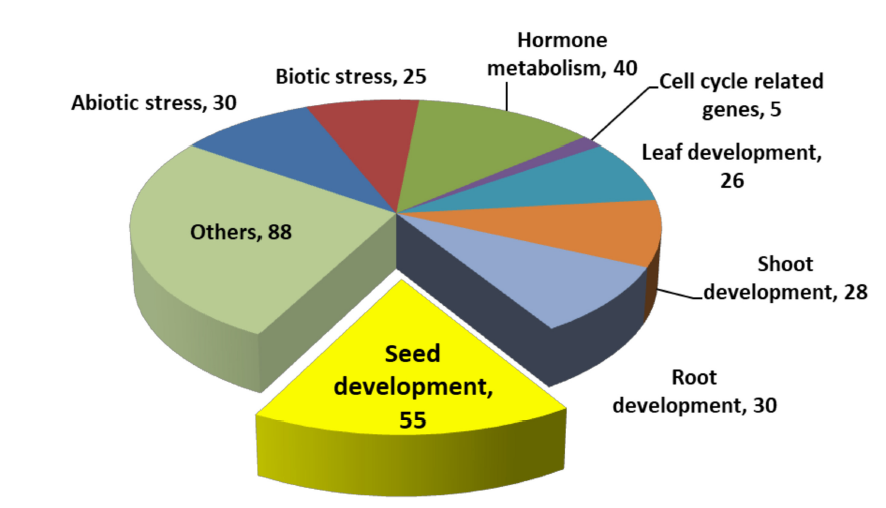
Our laboratory investigates the molecular mechanisms that regulate rice seed development, with the long-term goal of improving grain yield and nutritional quality. Through genetic, molecular, and functional genomics approaches, we have identified key developmental stages, regulatory genes, and transcriptional networks that control grain size, starch accumulation, and seed storage protein synthesis.
(A) Defining the Stages of Rice Seed Development
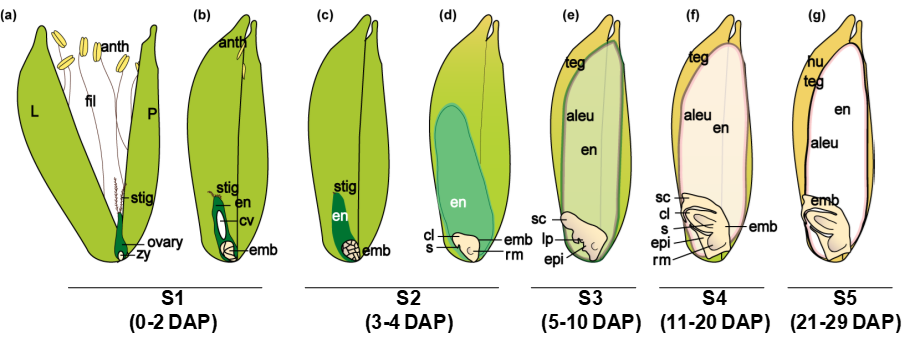
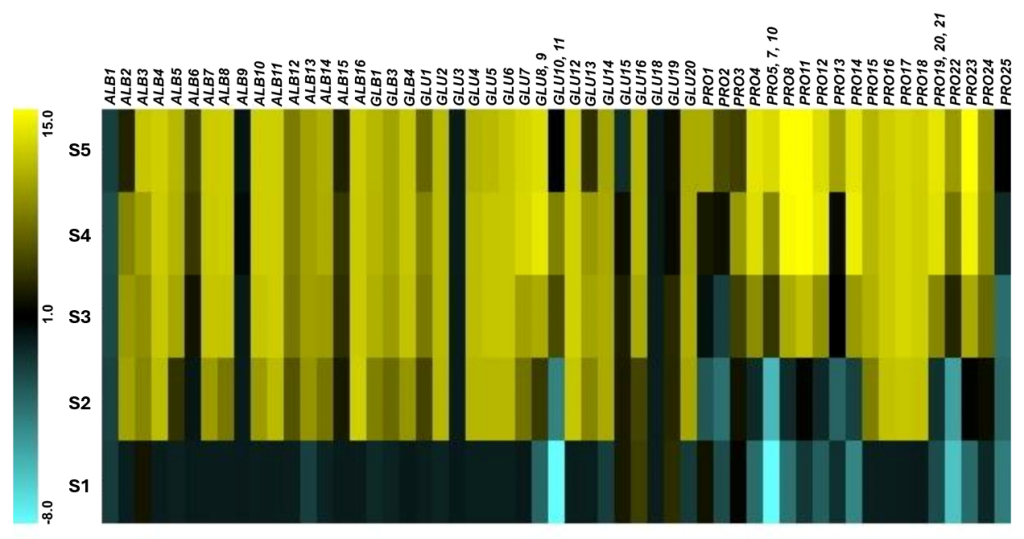
To provide a framework for studying grain development, we classified rice seed development into five distinct stages (S1–S5) based on characteristic morphological and physiological changes. This staging system has facilitated systematic analyses of gene expression, starch biosynthesis, and protein accumulation during seed development.
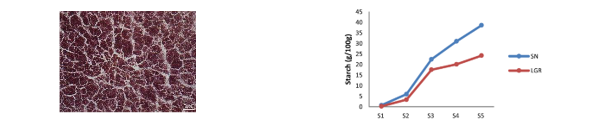
Subsequent studies from our laboratory demonstrated progressive starch accumulation in the developing endosperm of different rice varieties and revealed the temporal expression patterns of seed storage proteins using transcriptome analysis and qRT-PCR.
(B) Transcriptional Regulation of Rice Grain Development
Rice grain development is orchestrated by complex transcriptional regulatory networks. Our research has focused on identifying and characterizing transcription factors that coordinate grain size, starch biosynthesis, and nutrient accumulation.
(i) C2H2 Zinc Finger Transcription Factors
We performed a genome-wide analysis of the C2H2 zinc finger transcription factor family, identifying 189 members in rice. Among these, ZOS5-09 and ZOS1-15 exhibited strong seed-specific expression during grain development, suggesting important regulatory functions
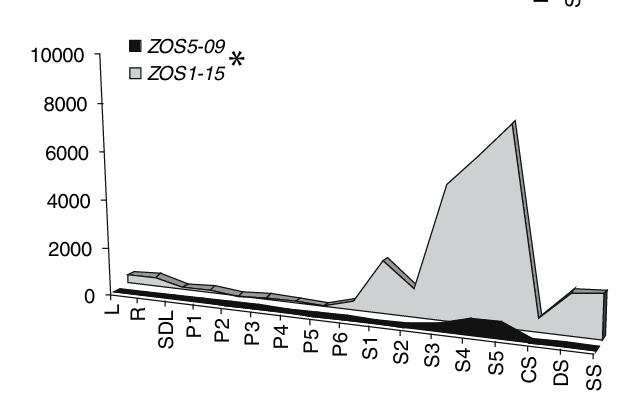
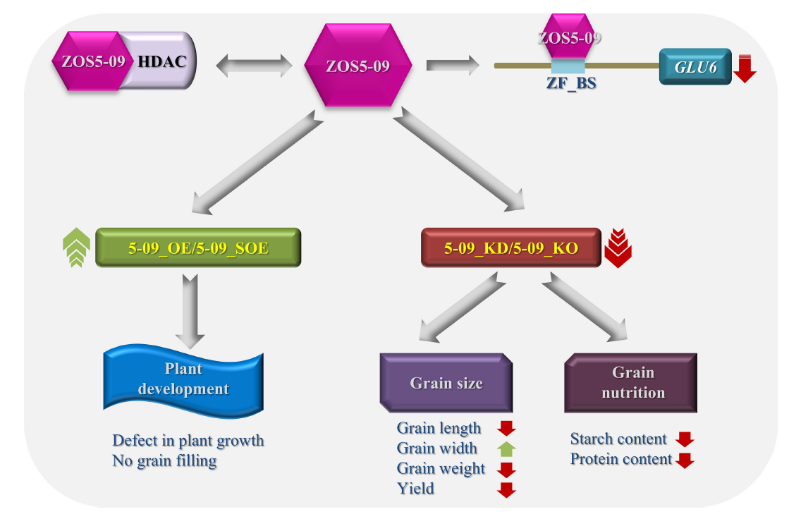
Using CRISPR/Cas9-mediated genome editing and gene knockdown approaches, we demonstrated that ZOS5-09 functions as a positive regulator of grain size and grain nutritional traits, establishing it as a promising target for rice improvement.
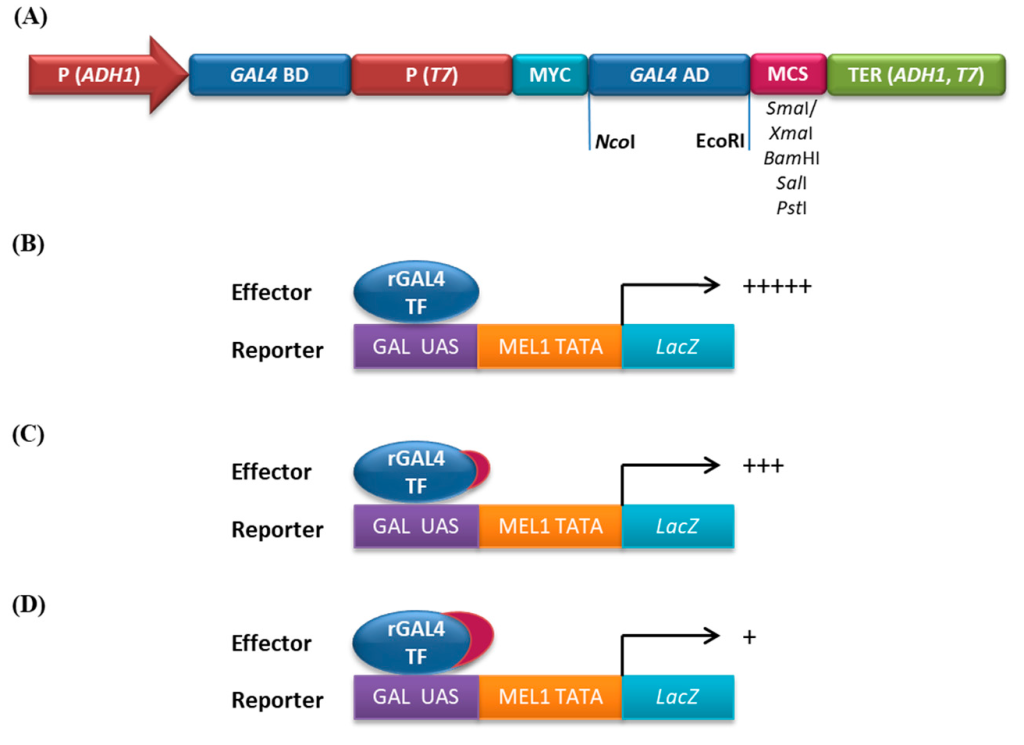
Our studies further revealed that ZOS5-09 functions as a DLN-type transcriptional repressor. We identified that the rice genome contains 266 DLN repressor proteins and developed the rGAL4 vector system as a versatile tool for studying transcriptional repression in plants.
(ii) NAC Transcription Factors
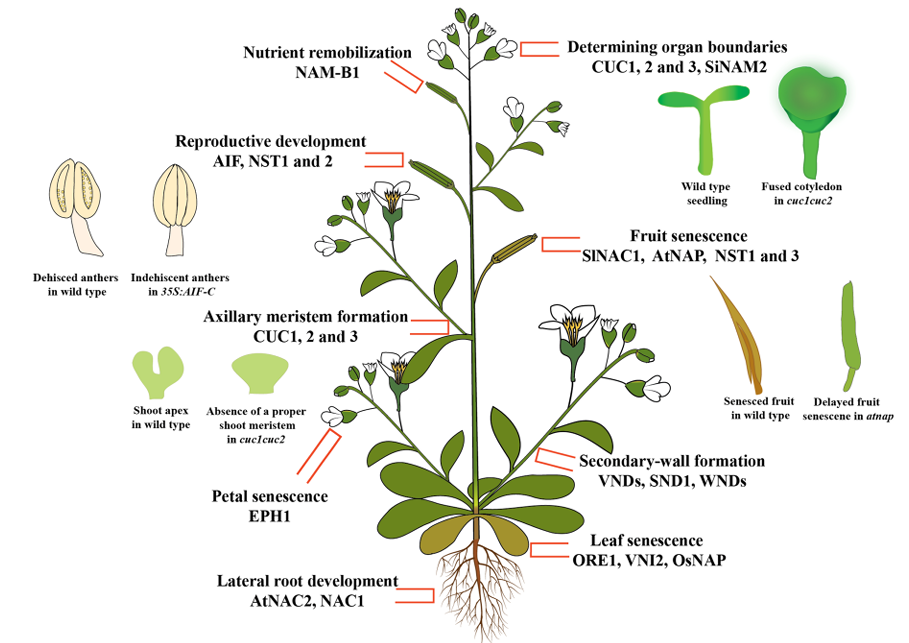
The NAC family represents another major class of plant-specific transcription factors that regulate growth, development, and stress responses. Our work has highlighted their diverse functions during rice grain development.
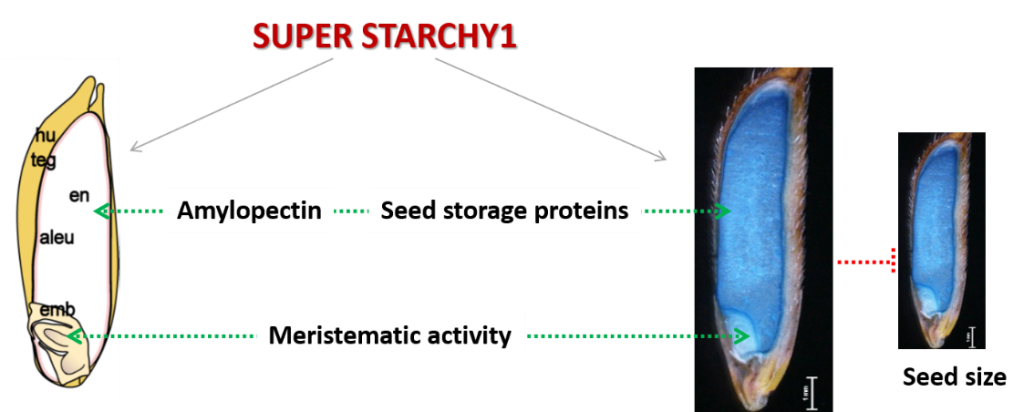
Among these, we identified SUPER STARCHY1 (ONAC025) as a key regulator influencing grain development and starch accumulation, providing new insights into the molecular control of rice grain quality.
(iii) NF-Y Transcription Factors
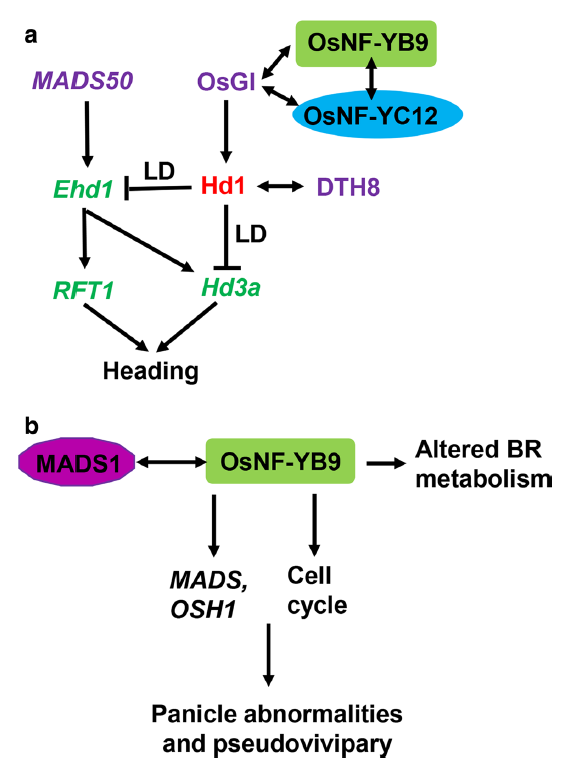
We further demonstrated that OsNF-YB9, a homolog of LEAFY COTYLEDON1 (LEC1), plays an important role in regulating rice plant development and seed traits.
(iv) Beyond Transcription Factors
Our research also extends to other regulatory proteins involved in grain development. We showed that GW2, an E3 ubiquitin ligase, acts as a negative regulator of grain size and influences the expression of numerous seed development genes, highlighting the importance of ubiquitin-mediated regulation during grain development.
Current Projects
Our current research focuses on the functional characterization of transcription factors and other regulatory proteins that govern rice grain size, yield, and nutritional quality. We aim to unravel the interconnected regulatory networks that control seed development and determine key agronomic and nutritional traits.
To achieve this, we employ CRISPR/Cas9-based genome editing, gene knockdown, and overexpression approaches to generate transgenic rice lines for candidate genes. These plants are evaluated across successive generations through comprehensive phenotypic analyses, with particular emphasis on grain size, seed morphology, and yield-related traits.
We further investigate grain nutritional quality by quantifying starch composition, protein content, and other biochemical characteristics. To understand the molecular basis of these traits, we integrate transcriptomic, metabolomic, and proteomic analyses to identify downstream target genes, interacting protein partners, and the biological pathways regulated by these factors. In parallel, we characterize upstream microRNAs (miRNAs) that modulate the expression of these regulatory genes.
By combining functional genomics with multi-omics approaches, our research seeks to construct comprehensive regulatory networks underlying rice grain development. These insights will facilitate the development of rice varieties with enhanced grain yield, improved nutritional quality, and greater potential to contribute to global food and nutritional security.
Career
Scientist V, BRIC-NIPGR (2022 – present)
Scientist IV, NIPGR (2018 – 2022)
Staff Scientist III, NIPGR (2014 – 2018)
Scientist II, NIPGR (2011 – 2014)
Research Scientist, DBT’s Center of Excellence, Department of Plant Molecular Biology, Delhi University (2010 – 2011)
Senior Research Fellow, DBT’s Center of Excellence, Department of Plant Molecular Biology, Delhi University (2009 – 2010)
Ph. D., Department of Plant Molecular Biology, Delhi University (2003-09)
M. Sc., Department of Plant Molecular Biology, Delhi University (2001-03)
B. Sc. (Botany-Hons.), Gargi College, Delhi University (1998-2001)
Awards & Honors
DBT-CTEP Travel Grant (2024)
Future hope in Vigyan Vidushi:75 Women Trailblazers of Science by Vigyan Prasar (2023)
Women in STEM: Vanguards of India @75 by Confederation of Indian Industries (CII) and Department of Science and Technology (DST) (2022)
Travel grant award by American Society of Plant Biologists (ASPB) (not availed) (2018)
Selected for the 1st EMBO research leadership course in India by DBT India Alliance (2018)
SERB 'Women Excellence Award' by Science and Research Engineering Board, India and was felicitated with the same on Women's Day, 2013 at the Department of Science and Technology, New Delhi (2013)
INSA Young Scientist's Award (2012)
Special mention in Indian Women Scientist's Association (IWSA) newsletter (December 2012)
Junior and senior research fellowships from UGC (2001)
President of Gargi College Botanical Society (2000)
Openings in Laboratory
If your thoughts are in sync with above mentioned research and goals, please drop in a mail.
Current Members
Our laboratory brings together researchers with diverse expertise in molecular biology, genetics, genomics, and plant biotechnology. We are committed to fostering a collaborative, inclusive, and intellectually stimulating research environment while training the next generation of plant scientists
Current Research Team
Antima Yadav
Research Associate, DBT Indo-Canada Project (2026 – present)
Ph. D. – BRIC-NIPGR
- antimayadav@nipgr.ac.in
Aswathi P.V
Ph. D. (2020 – present)
- aswathi.pv@nipgr.ac.in
Falah Qasim
Ph. D. (2022 - present)
- falah@nipgr.ac.in
Upasana Das
Ph. D. (2022 - present)
- dasupasana@nipgr.ac.in
Tripti Avinash
Ph. D. (2023 - present)
- triptiavinash@nipgr.ac.in
Ritama Kundu
Ph. D. (2024 - present)
- ritama@nipgr.ac.in
Nitika
Project Associate (2025-present), BRIC-NIPGR STRF Scheme
Former Lab Members Ph. D. Alumni
Naveen Malik
Ph. D., 2017
Assistant Professor-III, Amity Institute of Biotechnology, Amity University Rajasthan
Rajeev Ranjan
Ph. D., 2017
Postdoctoral Researcher at Purdue University, USA
Iny Mathew
Ph. D., 2018
Postdoctoral Researcher at USDA/ARS Children's Nutrition Research Centre, Texas
Sweta Das
Ph. D., 2018
Functional Characterization of Rice Homologues of LEAFY COTYLEDON1 in Seed Development
Arunima Mahto
Ph. D., 2019
Research associate III, Indian Sugarcane Research Institute (ISRI), Lucknow
Ankit Verma
Ph. D., 2021
Food Safety Officer, Commissionerate of Food Safety and Drug Control, Jaipur, Rajasthan
Priya Jaiswal
Ph. D., 2024
Postdoctoral Researcher at University of Cambridge, UK
Richa Priyadarshini
Ph. D., 2024
Assistant Professor (Botany) at Tilka Manjhi University, Bhagalpur, Bihar
Antima Yadav
Ph. D., 2026
Research Associate , BRIC-NIPGR
- antimayadav@nipgr.ac.in
Research Alumni
Priya Jaiswal, RA
Afsana Parveen, RA
Ankur Vichitra, RA
Shubhra Rastogi, RA
Shuaib Malik, SRF
Rashmi Renu Sahoo, SRF
Akanksha Panwar, SRF
Purnima Singh, SRF
Megha Varshney, SRF
Sanjoli Jain, JRF
Swarnmala Samal, JRF
Veena K. Sinha, JRF
Poonam Ray, JRF
Publications
Yadav A, Jaiswal P, Mathew IE, Panwar A, Agarwal P (2026) Decoding rice seed storage proteins: from gene identification to structural prediction. Annals of Botany (accepted) DOI: 10.1093/aob/mcag124
Jaiswal P, Qasim F, Mahto A, Vichitra A, Tyagi AK, Agarwal P (2025) Zinc finger transcriptional repressor ZOS5-09 regulates grain filling and development in rice. Physiologia Plantarum 177(4):e70376 DOI: 1111/ppl.70376
Jaiswal P, Priyadarshini R, Yadav A, Aswathi PV, Mahto A, Mathew IE, Das U, Qasim F, Vichitra A, Panwar A, Verma A, Tyagi AK, Agarwal P (2024) A novel repressor-activator-competitor module comprising C2H2 zinc finger and NAC transcription factors regulates rice grain development. bioRxiv (preprint) doi: 2024.07.15.603577
Mahto A, Yadav A, Aswathi PV, Parida SK, Tyagi AK, Agarwal P (2023) Cytological, transcriptome and miRNome temporal landscapes decode enhancement of rice grain size. BMC Biology 21:91 DOI: 1186/s12915-023-01577-3
Verma A, Prakash G, Ranjan R, Tyagi A K, Agarwal P (2021) Silencing of an ubiquitin ligase increases grain width and weight in indica rice. Frontiers in Genetics 11:600378 DOI: 3389/fgene.2020.600378
Mathew IE, Priyadarshini R, Mahto A, Jaiswal P, Parida SK, Agarwal P (2020) SUPER STARCHY1/ONAC025 participates in rice grain filling. Plant Direct 4:e00249 DOI: 1002/pld3.249
Malik N, Ranjan R, Parida SK, Agarwal P, Tyagi AK (2020) Mediator subunit OsMED14_1 plays an important role in rice development. Plant Journal 101:1411.
Das S, Parida SK, Agarwal P#, Tyagi AK# (2019) Transcription factor OsNF‑YB9 regulates reproductive growth and development in rice. Planta 250: 1849 (#-equal corresponding author) DOI: 1007/s00425-019-03268-2
Singh P, Mathew IE, Verma A, Tyagi AK, Agarwal P (2019) Analysis of rice proteins with DLN repressor Motif/S. International Journal of Molecular Sciences 20:1600 DOI: 3390/ijms20071600
Mathew I E, Agarwal P (2018) May the fittest protein evolve: favoring the plant-specific origin and expansion of NAC transcription factors. Bioessays 40: e1800018 DOI: 1002/bies.201800018
Malik N, Agarwal P, Tyagi A K (2017) Emerging functions of multi-protein complex Mediator with special emphasis on plants. Critical Reviews in Biochemistry and Molecular Biology 52:475.
Mathew IE, Das S, Mahto A, Agarwal P (2016) Three rice NAC transcription factors heteromerize and are associated with seed size. Frontiers in Plant Science 7:1638. DOI: 3389/fpls.2016.01638
Daware A, Das S, Srivastava R, Badoni S, Singh AK, Agarwal P, Parida SK, Tyagi AK (2016) An efficient strategy combining SSR markers- and advanced QTL-seq-driven QTL mapping unravels candidate genes regulating grain weight in rice. Front Plant Sci 7:1535.
Malik N, Dwivedi N, Singh A K, Parida S K, Agarwal P, Thakur J K, Tyagi A K (2016) An integrated genomic strategy delineates candidate mediator genes regulating grain size and weight in rice. Sci Rep 6:23253.
Agarwal P, Parida S K, Raghuvanshi S, Kapoor S, Khurana P, Khurana J P, Tyagi A K (2016) Rice improvement through genome-based functional analysis and molecular breeding in India. Rice (N Y) 9 (1):1.
Sharma NK, Gupta SK, Dwivedi V, Chattopadhyay D (2020) Lignin deposition in chickpea root xylem under drought. Plant Signal. Behav. 15(6):e1754621
Daware A, Das S, Srivastava R, Badoni S, Singh AK, Agarwal P, Parida SK, Tyagi AK (2016) An efficient strategy combining SSR markers- and advanced QTL-seq-driven QTL mapping unravels candidate genes regulating grain weight in rice. Frontiers in Plant Sciences 7:1535.
Malik N, Dwivedi N, Singh A K, Parida S K, Agarwal P, Thakur J K, Tyagi A K (2016) An integrated genomic strategy delineates candidate mediator genes regulating grain size and weight in rice. Scientific Reports 6:23253.
Badoni S, Das S, Sayal YK, Gopalakrishnan S, Singh AK, Rao AR, Agarwal P, Parida SK, Tyagi AK (2016) Genome-wide generation and use of informative intron-spanning and intron-length polymorphism markers for high-throughput genetic analysis in rice. Scientific Reports 6:23765.
Agarwal P, Parida S K, Mahto A, Das S, Mathew I E, Malik N, Tyagi A K (2014) Expanding frontiers in plant transcriptomics in aid of functional genomics and molecular breeding. Biotechnol J 9:1480-1491.
Thakur J K, Agarwal P, Parida S, Bajaj D, Pasrija R (2013) Sequence and expression analyses of KIX domain proteins suggest their importance in seed development and determination of seed size in rice, and genome stability in Arabidopsis. Molecular Genetics and Genomics 288:329-46.
Sharma R*, Agarwal P*, Ray S, Deveshwar P, Sharma P, Sharma N, Nijhawan A, Jain M, Singh A K, Singh V P, Khurana J P, Tyagi A K, Kapoor S. (2012) Expression dynamics of metabolic and regulatory components across stages of panicle and seed development in indica rice. Funct Integr Genomics 12:229-248 (*-equal contribution)
Agarwal P, Kapoor S, Tyagi A K. (2011) Transcription factors regulating the progression of monocot and dicot seed development. BioEssays 33:189-202.
Chauhan H, Khurana N, Agarwal P, Khurana P (2011) Heat shock factors in rice (Oryza sativa L.): genome-wide expression analysis during reproductive development and abiotic stress. Molecular Genetics and Genomics 286:171-187.
Ray S, Dansana, P K, Giri J, Deveshwar P, Arora R, Agarwal P, Khurana J P, Kapoor S, Tyagi A K. (2011). Modulation of transcription factor and metabolic pathway genes in response to water-deficit stress in rice. Functional and Integrative Genomics 11:157-78.
Agarwal P, Arora R, Ray S, Singh A K, Singh V P, Takatsuji H, Kapoor S, Tyagi A K. (2007) Genome-wide identification of C2H2 zinc-finger gene family in rice and their phylogeny and expression analysis. Plant Mol Biol 65:467-485.
Ray S, Agarwal P, Arora R, Kapoor S, Tyagi A K. (2007) Expression analysis of calcium- dependent protein kinase gene family during reproductive development and abiotic stress conditions in rice (Oryza sativa L. ssp. indica). Molecular Genetics and Genomics 278:493-505.
Arora R, Agarwal P, Ray S, Singh A K, Singh V P, Tyagi A K, Kapoor S. (2007) MADS-box gene family in rice: Genome wide identification, organization and expression profiling during reproductive development and stress. BMC Genomics 8:242.
Jain M, Nijhawan A, Arora R, Agarwal P, Ray S, Sharma P, Kapoor S, Tyagi A K, Khurana J P. (2007) F-box proteins in rice: Genome-wide analysis, classification, spatial and temporal gene expression during panicle and seed development, and regulation by light and abiotic stress. Plant Physiol 143:1467-1483.
Other Publications
Agarwal P, Parida S K, Raghuvanshi S, Kapoor S, Khurana P, Khurana J P, Tyagi A K (2016) Rice improvement through genome-based functional analysis and molecular breeding in India. Rice (N Y) 9 (1):1.
Agarwal P, Parida S K, Mahto A, Das S, Mathew I E, Malik N, Tyagi A K (2014) Expanding frontiers in plant transcriptomics in aid of functional genomics and molecular breeding. Biotechnol J 9:1480-1491.
Prusty A, Malik N, Ranjan R, Agarwal P, Parida SK, Kapoor S, Tyagi AK (2025) The Mediator complex subunit, OsMED26_2, modulates plant growth, seed set and seed traits related to starch quality in rice. Plant Science 364:112941
Jain M, Nijhawan A, Arora R, Agarwal P, Ray S, Sharma P, Kapoor S, Tyagi A K, Khurana J P. (2007) F-box proteins in rice: Genome-wide analysis, classification, spatial and temporal gene expression during panicle and seed development, and regulation by light and abiotic stress. Plant Physiol 143:1467-1483.
Mohanty JK, Yadav A, Narnoliya L, Thakro V, Rathore D, Tripathi S, Sinharoy S, Agarwal P, Parida SK (2025) Trans-QTL alliance of HKT1 and PHL7 modulate salinity stress tolerance and enhance crop yield endurance. Plant Biotechnology Journal 24: 1166
Mohanty JK, Yadav A, Narnoliya L, Thakro V, Nayyar H, Dixit GP, Jha UC, Vara Prasad PV, Agarwal P, Parida SK (2025) A next-generation combinatorial genomic strategy scans genomic loci governing heat stress tolerance in chickpea. Plant Cell and Environment 48(4):2706
Mohanty J, Thakro V, Nair H, Dixit GP, Jha UC, Yadav A, Agarwal P, Parida SK (2024) Delineation of genes for a major QTL governing heat stress tolerance in chickpea. Plant Molecular Biology 114(2):19
Prusty A, Mehra P, Sharma S, Malik N, Agarwal P, Parida SK, Kapoor S, Tyagi AK (2024) OsMED14_2, a tail module subunit of Mediator complex, controls rice development and involves jasmonic acid. Plant Science 346:112146
Ranjan, R, Malik, N, Sharma S, Agarwal P, Kapoor S, Tyagi AK (2022) OsCPK29 interacts with MADS68 to regulate pollen development in rice. Plant Science 321:111297
Kumar A, Mir RR, Sehgal D, Agarwal P, Carter A. (2021) Editorial: Genetics and genomics to enhance crop production, towards food security. Frontiers in Genetics 12:798308
Plant Cell Atlas Consortium, Jha SG, Borowsky AT, Cole BJ, Fahlgren N, Farmer A, Huang SC, Karia P, Libault M, Provart NJ, Rice SL, Saura-Sanchez M, Agarwal P, Ahkami AH, Anderton CR, Briggs SP, Brophy JA, Denolf P, Di Costanzo LF, Exposito-Alonso M, Giacomello S, Gomez-Cano F, Kaufmann K, Ko DK, Kumar S, Malkovskiy AV, Nakayama N, Obata T, Otegui MS, Palfalvi G, Quezada-Rodríguez EH, Singh R, Uhrig RG, Waese J, Van Wijk K, Wright RC, Ehrhardt DW, Birnbaum KD, Rhee SY (2021) Vision, challenges and opportunities for a Plant Cell Atlas.eLife 10:e66877.
Malik N, Ranjan R, Parida SK, Agarwal P, Tyagi AK (2020) Mediator subunit OsMED14_1 plays an important role in rice development. Plant J 101(6):1411-1429.
Malik N, Agarwal P, Tyagi A K (2017) Emerging functions of multi-protein complex Mediator with special emphasis on plants. Crit Rev Biochem Mol Biol 52: 475-502.
Daware A, Das S, Srivastava R, Badoni S, Singh AK, Agarwal P, Parida SK, Tyagi AK (2016) An efficient strategy combining SSR markers- and advanced QTL-seq-driven QTL mapping unravels candidate genes regulating grain weight in rice. Front Plant Sci 7:1535.
Badoni S, Das S, Sayal Y K, Gopalakrishnan S, Singh A K, Rao AR, Agarwal P, Parida S K, Tyagi A K (2016) Genome-wide generation and use of informative intron-spanning and intron-length polymorphism markers for high-throughput genetic analysis in rice. Sci Rep 6:23765.
Malik N, Dwivedi N, Singh A K, Parida S K, Agarwal P, Thakur J K, Tyagi A K (2016) An integrated genomic strategy delineates candidate Mediator genes regulating grain size and weight in rice. Sci Rep 6:23253.
Thakur J K, Agarwal P, Parida S, Bajaj D, Pasrija R (2013) Sequence and expression analyses of KIX domain proteins suggest their importance in seed development and determination of seed size in rice, and genome stability in Arabidopsis. Mol Genet Genomics 288:329-46.
Chauhan H, Khurana N, Agarwal P, Khurana P (2011) Heat shock factors in rice (Oryza sativa L.): genome-wide expression analysis during reproductive development and abiotic stress. Mol Genet Genomics 286:171-187.
Ray S, Dansana, P K, Giri J, Deveshwar P, Arora R, Agarwal P, Khurana J P, Kapoor S, Tyagi A K. (2011). Modulation of transcription factor and metabolic pathway genes in response to water-deficit stress in rice. Funct Integr Genomics 11:157-78.
Ray S, Agarwal P, Arora R, Kapoor S, Tyagi A K. (2007). Expression analysis of calcium- dependent protein kinase gene family during reproductive development and abiotic stress conditions in rice (Oryza sativa ssp. indica). Mol Genet Genomics 278:493-505.
Arora R, Agarwal P, Ray S, Singh A K, Singh V P, Tyagi A K, Kapoor S. (2007). MADS-box gene family in rice: Genome wide identification, organization and expression profiling during reproductive development and stress. BMC Genomics 8:242.
Jain M, Nijhawan A, Arora R, Agarwal P, Ray S, Sharma P, Kapoor S, Tyagi A K, Khurana J P. (2007). F-box proteins in rice: Genome-wide analysis, classification, spatial and temporal gene expression during panicle and seed development, and regulation by light and abiotic stress. Plant Physiol 143:1467-1483.
Book Chapter
Jaiswal, P., Thakro, V., & Agarwal, P. (2026). The hidden hand: Exploring miRNA-mediated signaling in plant–microbe synergy. In V. Mishra, S. Pandey, V. Varshney, & C. Kole (Eds.), Plant–microbe interactions for sustainable growth and resilience (1st ed.). CRC Press. (corresponding author)
Mahto A, Mathew IE and Agarwal P (2017). Decoding the transcriptome of rice seed during development. In Advances in Seed Biology, J. C. Jimenez-Lopez (Ed.), 25, InTech, Spain.
Agarwal P, Parida S, Kothari KS, Sharma G, Baranwal V, Kapoor S and Tyagi A. (2012). Transcriptome resources for function analysis and genetic enhancement of rice. In International Dialogue on Designer Rice for Future: Perception and Prospects EA Siddiq eds., 1-25, Patancheru, India
Kapoor S, Khurana R, Baranwal V, Agarwal P, Ray S, and Tyagi AK (2011). Genome-wide strategies for genetic enhancement of rice. Proceedings of National Symposium on Genomics and Crop Improvement 2011 (In Press), Hyderabad, India.
Tyagi AK, Khurana JP, Khurana P, Kapoor S, Singh VP, Singh AK, Thakur JK, Gupta V, Anand S, Vij S, Jain M, Ray S, Agarwal P, Arora R, Sharma P, Mukerjee S, Nijhawan A, Giri J, Khurana R (2007). Expression and functional analysis of rice genes involved in reproductive development and stress response. Rice Genetics V, 301-334, IRRI, Philippines.
Data and Research Resources
To support open science and facilitate research in plant biology, our laboratory has developed a database and generated publicly available transcriptomic datasets. These resources are freely accessible to the scientific community.
Rice Grain Development Database (RGDD)
The Rice Grain Development Database (RGDD) integrates gene expression data generated during rice seed development and serves as a valuable resource for researchers investigating grain development and related biological processes.
- Website: www.nipgr.ac.in/RGDD/index.php
- DOI: 10.5281/zenodo.7762870
Indian Crop Phenome Database (ICPD)
Phenotypic datasets generated by our laboratory for seed development in two contrasting rice varieties—Sonasal (small-grained) and LGR (large-grained)—are publicly available through the Indian Crop Phenome Database (ICPD).
Available datasets include:
- Grain Length and Width: https://ibdc.dbt.gov.in/icpd/study-view-home/PST_100007/
- Grain Weight and Grain Filling Rate: https://ibdc.dbt.gov.in/icpd/study-view-home/PST_100008/
RNA-Seq Datasets (NCBI Sequence Read Archive)
Our RNA sequencing datasets are publicly available through the NCBI Sequence Read Archive (SRA).
SRA Accession | Dataset Description |
PRJNA540785 | Transcriptome of one wild-type rice plantlet and two SUPER STARCHY1 overexpression lines (2.5-month-old plants). |
PRJNA659415 | RNA-seq of OsGW2 RNAi and wild-type rice seeds at the S4 developmental stage, with biological duplicates. |
PRJNA605919 | Transcriptomes of five rice seed developmental stages (S1–S5) and flag leaves from two rice genotypes (SN and LGR), with biological triplicates. |
Small RNA-Seq Dataset
Small RNA sequencing data from five stages of rice seed development (S1–S5) and flag leaves of two rice genotypes (SN and LGR) are publicly available through the NCBI Sequence Read Archive.
- SRA Accession: PRJNA616068
Rice C2H2 Zinc Finger Gene Family Resource
Our genome-wide analysis of the rice C2H2 zinc finger transcription factor family has been incorporated into the Rice Genome Annotation Project (formerly TIGR/JCVI) and is publicly available online (https://rice.uga.edu/cgi-bin/putative_function_search.pl).
Microarray Datasets
Microarray expression datasets generated from rice seed development and young root tissues have been deposited in the NCBI Gene Expression Omnibus (GEO).
- Series ID: GSE6893