

Dr. Jagadis Gupta Kapuganti
Staff Scientist VI, PhD, FABAP, FNASc, FNAAS
Ph.D.: University of Wuerzburg, Germany
Academic visitor: University of Oxford; Marie Curie Fellow, Oxford
Postdoctoral Fellow: Max Planck Institute of Molecular Plant Physiology, Golm, Germany
- 91-11-26735111,14,17,111 , 91-11-26741658
- jgk@nipgr.ac.in; jagadishguptak@gmail.com
Profile
Research Interests
The functional role of nitric oxide in flooding stress
Molecular oxygen is required for respiration in all aerobic organisms but oxygen levels are very low in some plant organs such as seeds, tubers and buds, where hypoxia is linked to quiescence. The release from hypoxia in these organs coincides with the transition of cells from the quiescent to the metabolically active state. In contrast, the hypoxia experienced by roots during flooding has deleterious effects on the tissues and can lead to cell death. Nitric oxide (NO), which is a powerful signalling molecule in plants and animals, is important in the release from seed dormancy and flooding tolerance but the mechanisms involved remain to be fully characterised. Our lab is currently working on to characterise the functions of NO in the adaptation to hypoxia and release from the hypoxic state, with a particular focus on the signalling functions of NO and reactive oxygen species (ROS) during the release of cells from the quiescent state in seeds and buds, and in roots subjected to flooding in the model plant species such as chickpea and tomato. Under oxygen limitation, regeneration of NAD+ for glycolysis is required for maintenance of a minimal ATP supply. Recent studies document that plants can fine tune oxygen consumption in response to low oxygen concentrations and maintain glycolysis by switching to alternative pathways for NAD+ regeneration, including nitrate reduction. The mechanisms that underlie this sensing and response to oxygen deprivation have not been fully elucidated. It is also not clear whether plants use NO as a major regulator of bioenergetics and oxygen homeostasis as animals are known to do. At present answering these questions is very important priority of our lab in order to achieve complete understanding of low oxygen sensing mechanisms and the metabolic adaptations to oxygen deprivation in plants. Our research in this line will provide new insights into these mechanisms and the metabolic adjustments associated with controlled use of carbohydrate and ATP during hypoxic survival. The knowledge gained from this project will help to develop plants with better survival and performance in areas suffering from frequent rainstorms and flooding.
Role of nitrogen nutrition on plant pathogen Interactions
Plants need nitrogen because it’s a major constituent of the plants. Nitrate and ammonium are the major N sources for the plants. Biological mineralization (complex chemical reactions) provides nitrate or ammonium to the plants. The application of nitrogen (N) fertilizer has been a major factor in modern high crop yields and must play a major role in meeting the food security agenda. Ammonium as a N form of nitrogen enters into the soil via fixation of atmosphere nitrogen; decomposition of organic matter by bacteria and fungi, By nitrification pathway ammonium is oxidized to nitrite and further nitrate. Nitrate is a component of many primary and secondary metabolites. Pathogen attack represents a significant source of reduced crop yield, so that optimizing plant resistance to disease is equally important. In order to meet the challenge of allowing the maximizing the benefits of N fertiliser use whilst minimizing the effects of increased pathogen-susceptibility, We are investigating effect of N nutrition on plant resistance to pathogens. Our ongoing affords to generate various transgenic plants that have altered nitrate reductase activity, using these plant we will further investigate nitrate nutrition role under biotic stress. Most importantly we will examine examine N-flux in the plant and metabolomic analyses of plant-microbial exchanges in the apoplast to better understand how N type can influence pathogen virulence and plant resistance. To determine how application of the non-pathogenic biocontrol fungus Trichoderma could increase both resistance and the efficiency of the use of certain types of fertilise
Maximizing nitrogen use efficiency (NUE) in crops by understanding a nitric oxide-mediated modulatory switch
Our lab in collaboration with IBERS, UK, will explore a novel method of increasing nitrogen use efficiency (NUE) in crops to help meet the food security agenda. Nitric oxide is a product of nitrogen (N) metabolism but excess of NO production may suppress N uptake thereby acting as a negative feedback mechanism. Intrinsic to this feedback mechanism is the-suppression of nonsymbiotic haemoglobin (snHb) expression which would otherwise oxidize the excess of NO to NO3. In this context we will establish how snHb expression is regulated to modulate NO accumulation and further we will explore how NO modulates N-channels and NUE.

Awards, Honours & Fellowships

Recipient of the RASHTRIYA VIGYAN PURASKAR 2025 — Vigyan Yuva–Shanti Swarup Bhatnagar Award
Year
Awards/Honours/Fellowships
2026
Invited to attend the “At home reception” hosted by the Honourable President of India
2026
Associate Editor Plant Cell & Environment
2026
Rotary Puraskar Award 2026
2025
Rashtriya Vigyan Puraskar: VY Shanti Swarup Bhatnagar Award
2025
Chaudhary Charan Singh Award from Kisan Trust
2025
TATA Social Enterprise Winner
2025
Executive committee member of Asian AGPR Society
2024
Monitoring Editor: Plant Physiology
2024
MSME Award of Excellence
2023
Fellow Association of Biotechnology and Pharmacy (FABAP)
2023
Fellow of National Academy of Sciences (FNASc)
2023
Ignite Life Science Foundation Grant Award
2023
India-UK Achiever honours award at UK Parliament
2023
Fellow of National Academy of Agricultural Sciences (FNAAS)
2022
National Startup Award from Startup India
2022
Nasi Reliance Platinum Jubilee Award
2022
ABAP Senior Scientist Award
2022
Editorial Board member GM Crops & Food
2022
Visiting Faculty Yogi Vemana University
2021
Expert reviewer of Irish Laureate Awards of Irish Research Council (IRC), Ireland
2021
Listed in world top 2% scientists in database published by Standford University
2021
Member of Editorial Advisory Board, New Phytologist
2021
Scientific Expert French ANR proposals, France
2021
Elected member, Association of Applied Biologists UK
2021
Ramakrishna Pramahamsa Grant Award from SreePVF foundation
2021
International scientific committee member of 8th Plant nitric oxide symposia
2020
Listed in world top 2% scientists in database published by Standford University
2020
Associate Editor Food & Energy Security
2020
Editorial Review Board of Plant Cell & Environment
2020
Editor of Planta
2020
BIRAC-BIG Ignition grant award
2020
Member Society for Redox Biology & Medicine, USA
2020
Member Marie Curie Alumni Association
2019
Inaugural talk, Post Genomic Technologies conference, Voronezh, Russia
2019
Scientific Expert French ANR proposals, France
2019
Regional Young Investigators meeting Organizer
2019
India-EMBO Symposia Co-Organizer
2019
Russian Science Foundation's pool of International experts
2019
Expert panel of SERB-ACS NPDF poster competition
2018
Visiting Max Planck Institute, Golm, Germany (March 2019)
2018-20
DST-DAAD Fellow, Germany
2018
Editorial board Plant Signaling and Behaviour
2018
International scientific committee member of PNO Nice France
2018
Visiting Scientist Evoral Portugal (Aug 2018)
2017
Visiting Scientist Aberstwyth University UK (Sept 2017)
2017
AgreenSkills Scientific Expert, France
2016
Review Panel member NSERC Canada
2016
SERB Early Career Research Award
2015
Innovative Young Biotechnologist Award
2015
Ramanujan Fellowship from DST (not availed)
2014
Ramalingaswami Fellowship from DBT
2014
Hind Rattan Award NRI Welfare Society of India
2014
Young Investigator Meeting Travel Grant (India Bio Science)
2013
Listed in Marquis Who’s Who World 2013, 2014
2013
Plant Oxygen Group (International Free Radical Society travel fellowship winner)
2012
Presens OXYVIEW competition finalist
2012
Marie Curie Career Development Fellowship from European Union
2011
European Science Foundation: Short visit grant holder
2010
FEBS YTF travel grant
2007-10
Postdoctoral Fellowship from German Research Foundation (DFG/SFB) at Max Planck Institute, Potsdam, Germany
2004-07
Doctoral fellowship from German Research Foundation (DFG/SFB) in the research centre of mechanism of inter-specific interaction of organisms.
2004
Short term fellowship from International Max Planck Research School, J Jena, Germany


Career
Staff Scientist VI: National Institute for Plant Genome Research (2024- Present)
Staff Scientist V: National Institute for Plant Genome Research (2018- 2023)
Staff Scientist IV: National Institute for Plant Genome Research (2014-2018)
Marie Curie Fellow: University of Oxford, UK (Sep 2012-Sep 2014)
Scientific staff: University of Rostock Germany (Nov 2010-Aug 2012)
Postdoctoral Fellow: Max Planck institute of Molecular Plant Physiology, Germany (Nov 2007-Nov 2010)
Current Members
Nidhi Yadav
PhD scholar (Batch – 2020)
Research Interest- Plant stress biology, molecular mechanism of hypoxia and flooding tolerance, mitochondrial signalling, ROS-NO homeostasis and plant metabolic adaptations.
Sanjib Bal Samant
PhD scholar (Batch- 2021)
Research Interest- Plant adaptations to flooding, Reactive oxygen and nitrogen species (ROS/RNS) signaling and redox homeostasis, Nitrogen nutrition in plants
Jagannath Swain
PhD scholar (Batch- 2022)
Research Interests- Hypoxia sensing in plant, Photorespiration-NO crosstalk, Plant develepment
Josepheena Joseph
PhD scholar (Batch- 2022)
Research Interest- Plant abiotic stress, mitochondrial adaptations, oxygen homeostasis, and crop improvement.
Sajad Hussain
PhD scholar (Batch- 2025)
Research Interest- Plant biotic interaction, improving nitrogen use efficiency.
Pragya Pradhan
PhD scholar (Batch- 2026)
Research Interest- Plant adaptations to Nitro-oxidative stress tolerance, Molecular Mechanism of NO Scavenging, Redox Biology, Metabolic Reprogramming.
Dr. Priyanka Babuta
Project Scientist - I
Research Interest- Nitric Oxide Signalling and Redox Biology in Plants
Dr. Deepak Saini
Research Associate II
Research Interest- Nitric oxide signalling, Plant Molecular Biology and stress physiology, Photorespiration, NO-ROS crosstalk.
Dr. Pritam Kumar
Senior Project Associate
Research Interest- Post harvest biology, reduction of post harvest loss.
Ajay Kumar
Project Assistant
Rohit Kumar
Lab Assistant
Technologies Developed/Transferred
System for delaying ripening of Agriculture produce Year 2025, Transferred to Fruvetech Pvt Ltd
1. A Innovative system for delaying ripening of agriculture produce:
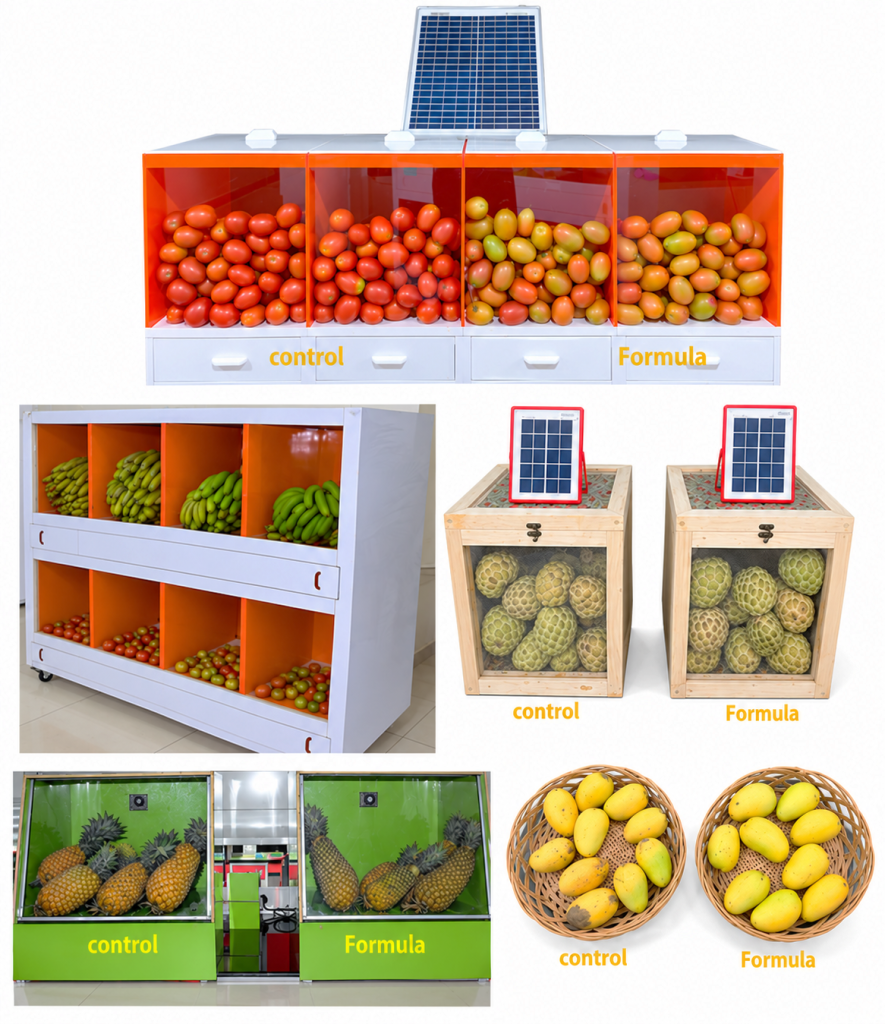
Post-harvest losses of fruits and vegetables represent a major challenge to food security, farmer income and sustainable agriculture. During natural ripening, produce progressively softens and becomes increasingly susceptible to mechanical damage, pathogen infection and spoilage. Ethylene, a key gaseous phytohormone controlling ripening, particularly in climacteric fruits, therefore provides an important target for extending post-harvest shelf life.
To address this challenge, Dr Jagdis Kapuganti and his team developed innovative nitric oxide (NO)-based technologies for delaying fruit ripening and reducing post-harvest losses. The technologies harness the natural physiological role of NO as an antagonist of ethylene-mediated ripening and provide a sustainable alternative to conventional chemical treatments and energy-intensive refrigeration.
Engineered System for Delaying Fruit Ripening
Building upon this scientific principle, an engineered, portable and user-friendly system was developed for storage and transportation of fresh produce. The system incorporates a proprietary formulation within a specially designed chamber that creates hypoxic conditions and stimulates NO generation from edible plant leaves. The generated NO counteracts ethylene-mediated ripening, helping extend shelf life without genetic modification or direct application of conventional ripening-inhibiting chemicals.
The technology provides a cost-effective, energy-efficient solution that can operate without continuous refrigeration, making it particularly relevant for farmers, traders, transporters and retailers where cold-chain infrastructure is limited. Development and commercialization were supported by BIRAC under the Biotechnology Ignition Grant (BIG) programme, and the technology has reached TRL-9.
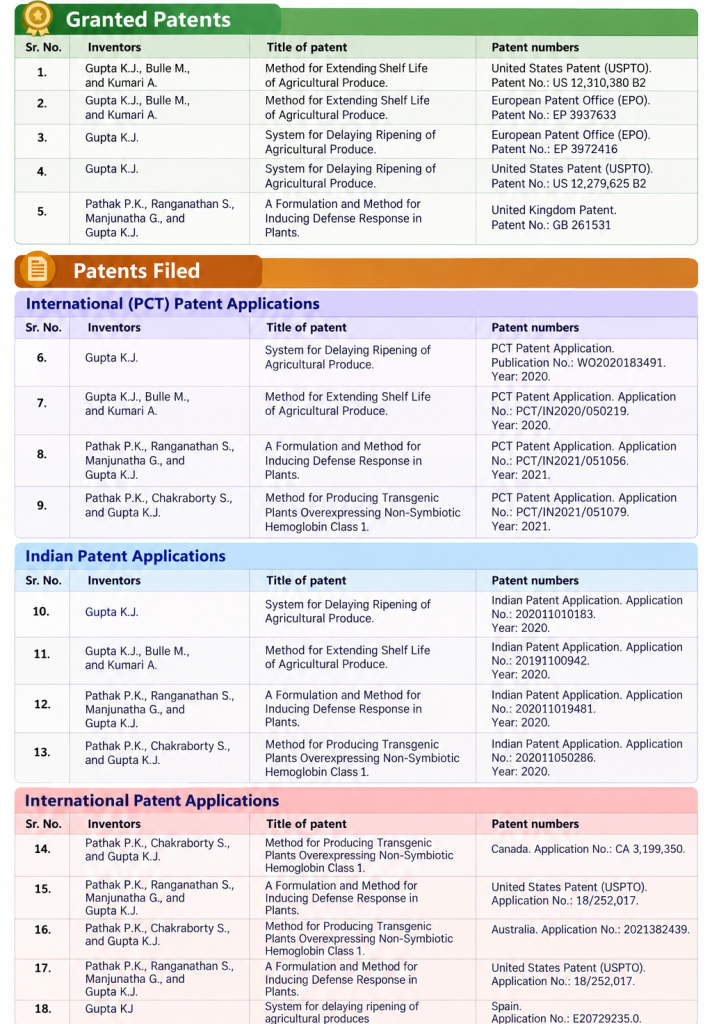
The engineered system is protected by European Patent No. EP 3972416 and USPTO Patent No. US 12,279,625 B2, alongside Indian and PCT filings.
In 2025, the technology was transferred to Fruvetech Pvt. Ltd. for scale-up and commercialization, marking its transition from patented laboratory innovation to a market-ready post-harvest solution. Large-scale deployment has the potential to reduce food wastage, decrease dependence on energy-intensive cold chains, improve storage and transportation efficiency, and enhance economic returns for farmers and stakeholders across the agricultural value chain.
2. Innovative formulation method and process to enhance shelf-life of fresh produce
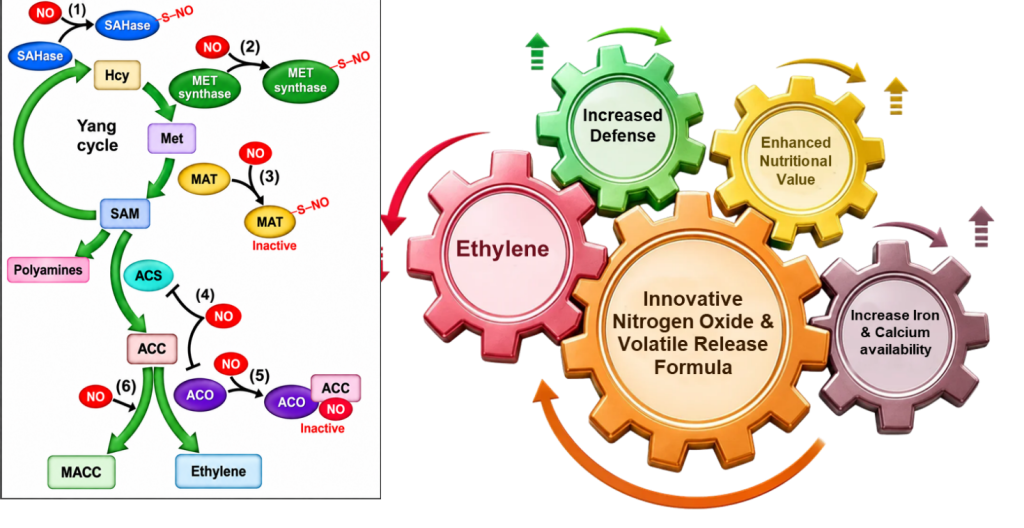
This innovative deep technology technology uses a innovative ormulation that promotes NO generation in plant tissues under hypoxic conditions. The generated NO modulates ethylene-mediated signalling and ripening pathways, thereby delaying ripening, maintaining produce quality and reducing spoilage. The technology is applicable to climacteric fruits and other agricultural produce and has progressed to Technology Readiness Level 9 (TRL-9).
The innovation is protected internationally through USPTO Patent No. US 12,310,380 B2 and European Patent No. EP 3937633, in addition to Indian Patent Application No. 201911009428 and PCT Application No. PCT/IN2020/050219
3. Method for development of early yielding and enhanced fruit number in tomato by over expressing phytoglobin1
A novel phytoglobin-mediated approach for accelerating fruit setting and increasing fruit yield in tomato has been developed. Overexpression of Phytoglobin 1 (Phytogb1) in tomato resulted in enhanced nitric oxide (NO) scavenging, leading to a reduction in endogenous NO levels and a concomitant increase in ethylene-associated ripening responses. This altered NO–ethylene balance accelerated fruit setting and enhanced fruit production. Homozygous Phytogb1-overexpressing tomato plants exhibited approximately 30% higher fruit number and accelerated fruit setting, demonstrating the potential of manipulating phytoglobin-mediated NO homeostasis as a strategy for improving crop productivity. The technology also resulted in increased protein content in fruits, providing an additional nutritional advantage.
The technology has potential applications in urban and intensive agriculture, where accelerated fruit production can enable more production cycles within a given period. Increased fruit number and productivity could improve overall yield and economic returns while potentially reducing crop exposure to prolonged environmental and pathogen stresses. The technology therefore provides a novel molecular approach for modulating NO–ethylene crosstalk to improve fruit production and nutritional quality.
Intellectual property protection has been pursued through Indian and PCT patent applications, with additional patent applications filed in Australia and Canada, supporting the potential for international translation and commercialization of this technology PCT (PCT/IN2021/051079) Indian (202011050286), Australia (2021382439) and Canada (CA no.: 3,199,350).
4. Application of sodium-dithionite nanoparticles to induce plant defense responses
A novel nanoparticle-based technology for enhancing plant defense and reducing pathogen infection has been developed using sodium dithionite (Na₂S₂O₄) nanoparticles conjugated with nitrite. Application of the formulation to local leaf tissues promotes localized oxygen depletion and enhanced nitric oxide (NO) production, which activates salicylic acid (SA)-mediated systemic acquired resistance (SAR) and strengthens plant defense responses. The technology has demonstrated efficacy in reducing pathogen infection in tomato against Pseudomonas syringae and Botrytis cinerea, and in pomegranate against Xanthomonas axonopodis pv. punicae
The invention provides a novel, targeted and potentially cost-effective approach for activating endogenous plant defense mechanisms, offering an alternative to conventional disease-management strategies. It has potential applications in reducing crop losses, improving plant resilience and decreasing dependence on repeated chemical pesticide applications, thereby contributing to more sustainable crop
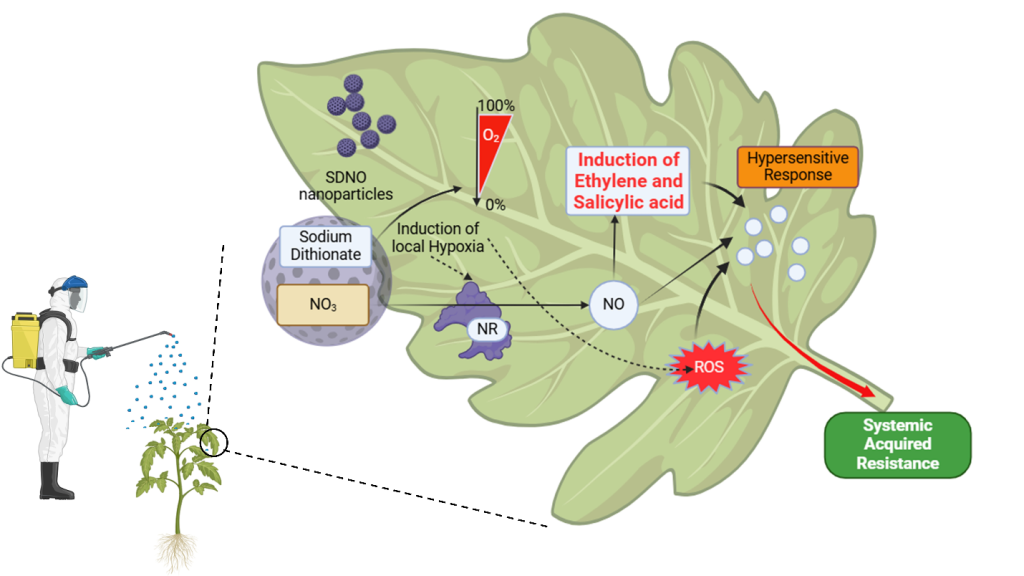
protection.
The technology has been protected through Indian, PCT, USPTO and UK patent applications, with the UK patent subsequently being granted: Pathak P.K., Ranganathan S., Manjunatha G., and Gupta K.J., A Formulation and Method for Inducing Defense Response in Plants, United Kingdom Patent, Patent No. GB 261531 (Granted).
Further development and translation of the technology have been supported through the BIRAC-Entrepreneur-in-Residence (EIR) programme, jointly funded by BIRAC and Mela Foundation for facilitating optimization, validation, product development, large scale testing and commercialization. The technology has significant potential for translation into a plant defense-inducing formulation for agricultural use, with possible benefits including reduced pathogen-associated crop losses, improved productivity, and development of environmentally sustainable alternatives
Patents
Peer reviewed International Publications
Citations 9031, H-Index 48; Cumulative Impact factor 712
Chatterjee Y, Babuta P, Gupta KJ, Pareek A, Singla-Pareek SL. OsLdh3 interacts with OsGAPC3 and OsLos2 to maintain the glycolytic continuum for tolerance to multiple abiotic stresses in rice. (2026). Journal of Experimental Botany, 538, 1-20. (IF-6.5).
Mishra M, Chatterjee Y, Gupta BK, Tomar S, Babuta P, Gupta KJ Ashwani Pareek A, Singla-Pareek SL Cross species expression of OsDJ1C from rice enhances tolerance to salinity and drought stress in tomato. (2026). Plant Physiology and Biochemistry. (IF-6.2).
Swain J, Babuta P, Pandey S, Samant SB, Yadav R, Manbir, Hebelstrup K H, Igamberdiev A U, Singla-PareekS L, PareekA, & Gupta KJ. Modulation of nitric oxide mediated by Phytoglobin1 plays a role in salinity tolerance via reduced nitro-oxidative stress in Arabidopsis. (2026). Plant Science. (IF-4.6).
Konda AK, Annaparagada H, Sujayanand GK, Singh P, Bhuvanachandra B, Hariharan, Dixit GP, Gupta KJ, & Matheswaran S. Chickpea chitinases responsive to Helicoverpa herbivory and phytohormone induced chitinase genes in chickpea: Genome-wide identification, comparative structural dynamics and ligand binding properties. (2026). BMC Plant Biology. (IF-5.6).
Saini D, Bharath P, Gahir S, Pandey J, Vemula CK, Gupta KJ, Subramanyam R, Raghavendra AS. Nitric Oxide-Mediated Modulation of Photorespiratory Enzymes and Photochemical Components in Leaves of Pea Plants (Pisum sativum). (2026). Physiologia Plantarum, 178(4), e71024. (IF-4.0).
Jaiswal R, Saini D, Swain J, Gupta KJ. Differential regulation of nitric oxide mediated by phytoglobin1 plays a role in resistance during Botrytis cinerea infection in Arabidopsis thaliana. (2026). Journal of Plant Pathology, 1–13. (IF-2.1).
Hancock JT, Corpas FJ, Kolbert Z, Silveira NM, Gupta KJ. The interactions of nitric oxide with intracellular redox status and the influence of molecular hydrogen. (2026). Nitric Oxide. (IF-3.8).
Pandey, J., Mantena, C., Kumari, A., Singh, P., Foyer, C. H., Gupta, K. J., & Subramanyam, R. Metabolism and signalling in pea (Pisum sativum) leaves exposed to drought and subsequent recovery. (2025). Plant Cell & Environment. (IF-6.9).
Yusuf Zamal M, Marriboina S, Lavudiya VS, Gunasekaran JX, Kumari A, Gupta KJ, Chintalapati VR, Subramanyam R. Integration of transcriptomics and metabolomics for understanding the global responses to neutral pH and high pH under high light in photosynthetic bacterium Rhodobacter alkalitolerans strain JA916T. (2025). Applied and Environmental Microbiology, 91(10), e00932-25. (IF-4.2).
Samant SB, Swain J, Yadav N, Yadav R, Singh P, Rai P, Sheri V, Sheshshayee MS, Rajagopal S, Pareek A, Gupta KJ. Overexpression of phytoglobin1 in rice leads to enhanced nitrogen use efficiency via modulation of nitric oxide. (2025). Plant Cell & Environment, 48(4), 2755-2768. (IF-6.9).
Pareek A, Gupta KJ, Singla-Pareek SL, Foyer CH. Can We Secure Food and Nutrition Through Crop Innovation. (2025). Plant Cell & Environment, 48, 2495-2497. (IF-6.9).
Swain J, Fernie AR, Foyer CH, Gupta KJ. The Multifaceted Metabolic Role of Lactate Dehydrogenase in Submergence Tolerance. (2025). Plant Cell & Environment, 15, 1-4. (IF-6.9).
Kolbert Z, Barroso JB, Boscari A, Corpas FJ, Gupta KJ, Hancock JT, Lindermayr C, Palma JM, Petrivalský M, Wendehenne D, Loake GJ. Interorgan, intraorgan and interplant communication mediated by nitric oxide and related species. (2024). New Phytologist, 244(3), 786-797. (IF-8.7).
Samant SB, Swain J, Yadav N, Yadav R, Singh P, Rai P, Sheri V, Sheshshayee MS, Rajagopal S, Pareek A, Gupta KJ. Overexpression of phytoglobin1 in rice leads to enhanced nitrogen use efficiency via modulation of nitric oxide. (2024). Plant, Cell & Environment. (IF-6.9).
Saini D, Bapatla RB, Vemula CK, Gahir S, Bharath P, Gupta KJ, Raghavendra AS. Moderate modulation by S-nitrosoglutathione of photorespiratory enzymes in pea (Pisum sativum) leaves, compared to the strong effects of high light. (2024). Protoplasma, 261(1), 43-51. (IF-2.5).
Singh P, Kumari A, Khaladhar VC, Singh N, Pathak PK, Kumar V, Kumar RJ, Jain P, Thakur JK, Fernie AR, Bauwe H, Raghavendra AS, Gupta KJ. Serine hydroxymethyltransferase6 is involved in growth and resistance against pathogens via ethylene and lignin production in Arabidopsis. (2024). The Plant Journal, 119(4), 1920-1936. (IF-6.2).
Kumar D, Mariyam S, Gupta KJ, Thiruvengadam M, Sampatrao Ghodake G, Xing B, Seth CS. Comparative investigation on chemical and green synthesized titanium dioxide nanoparticles against chromium (VI) stress eliciting differential physiological, biochemical, and cellular attributes in Helianthus annuus L.(2024). Science of The Total Environment, 930, 172413. (IF-8.0).
Samant SB, Yadav N, Swain J, Joseph J, Kumari A, Praveen A, Sahoo RK, Manjunatha G, Seth CS, Singla-Pareek SL, Foyer CH, Pareek A, Gupta KJ. Nitric oxide, energy, and redox-dependent responses to hypoxia. (2024). Journal of Experimental Botany, 75(15), 4573-4588. (IF-6.5).
Joseph J, Samant SB, Gupta KJ. Mitochondrial alternative oxidase pathway helps in nitrooxidative stress tolerance in germinating chickpea. (2024). Journal of Biosciences, 49, 53. (IF-1.7).
Gupta KJ, Yadav N, Kumari A, Loake GJ. New insights into nitric oxide biosynthesis underpin lateral root development. (2024). Molecular Plant, 17(5), 691-693. (IF-32.7).
Singh J, James D, Das S, Patel MK, Sutar RR, Achary VMM, Goel N, Gupta KJ, Reddy MK, Jha G, Sonti RV, Foyer CH, Thakur JK, Tripathy BC. Co-overexpression of SWEET sucrose transporters modulates sucrose synthesis and defence responses to enhance immunity against bacterial blight in rice.(2024). Plant, Cell & Environment, 47(7), 2578-2596. (IF-6.9).
Varshney RK, Roorkiwal M,……Francis A,……Chattopadhyay D,……Xu X, Liu X .A chickpea genetic variation map based on the sequencing of 3,366 genomes. (2021). Nature, 559, 622-627. (IF-56.1).
Swain J, Shukla V, Licausi F, Gupta KJ. Unearthing the secrets of ERFVIIs: new insights into hypoxia signaling. (2024). Trends in Plant Science, 29(3), 275-277. (IF-21.2).
Pathak PK, Yadav N, Kaladhar VC, Jaiswal R, Kumari A, Igamberdiev AU, Loake GJ, Gupta KJ. The emerging roles of nitric oxide and its associated scavengers-phytoglobins-in plant symbiotic interactions. (2024). Journal of Experimental Botany, 75(2), 563-577. (IF-6.5).
Kumari A, Kaladhar VC, Yadav N, Singh P, Reddy K, Gupta KJ. Nitric oxide regulates mitochondrial biogenesis in plants. (2023). Plant, Cell & Environment, 46(8), 2492-2506. (IF-6.9).
Chouhan N, Marriboina S, Kumari A, Singh P, Yadav RM, Gupta KJ, Subramanyam R. Metabolomic response to high light from pgrl1 and pgr5 mutants of Chlamydomonas reinhardtii. (2023). Photochemical & Photobiological Sciences, 22(11), 2635-2650. (IF-3.5).
Chatterjee Y, Bhowal B, Gupta KJ, Pareek A, Singla-Pareek SL. Lactate Dehydrogenase Superfamily in Rice and Arabidopsis: Understanding the Molecular Evolution and Structural Diversity. (2023). International Journal of Molecular Sciences, 24(6), 5900. (IF-5.6).
Borrowman S, Gupta KJ, Loake GJ. Expanding roles for S-nitrosylation in the regulation of plant immunity. (2023). Free Radical Biology and Medicine, 194, 357-368. (IF-8.0).
Seabra AB, Silveira NM, Ribeiro RV, Pieretti JC, Barroso JB, Corpas FJ, Palma JM, Hancock JT, Petrivalský M, Gupta KJ, Wendehenne D, Loake GJ, Durner J, Lindermayr C, Molnár Á, Kolbert Z, Oliveira HC. Nitric oxide-releasing nanomaterials: from basic research to potential biotechnological applications in agriculture. (2022). New Phytologist, 234(4), 1119-1125. (IF-8.7).
Kumari A, Bhatoee M, Singh P, Kaladhar VC, Yadav N, Paul D, Loake GJ, Gupta KJ. Detection of Nitric Oxide from Chickpea Using DAF Fluorescence and Chemiluminescence Methods. (2022). Current Protocols, 2(4), e420. (IF-2.5).
Singh J, Das S, Gupta KJ, Ranjan A, Foyer CH, Thakur JK. Physiological implications of SWEETs in plants and their potential applications in improving source-sink relationships for enhanced yield. (2023). Plant Biotechnology Journal, 21(8), 1528-1541. (IF-12.8).
Tiwari S, Nutan KK, Deshmukh R, Sarsu F, Gupta KJ, Singh AK, Singla-Pareek SL, Pareek A. Seedling-stage salinity tolerance in rice: Decoding the role of transcription factors. (2022). Physiologia Plantarum, 174(2), e13685. (IF-4.0).
Manbir, Singh P, Kumari A, Gupta KJ. Alternative oxidase plays a role in minimizing ROS and RNS produced under salinity stress in Arabidopsis thaliana. (2022). Physiologia Plantarum, 174(2), e13649. (IF-4.0).
Singh AK, Gupta KJ, Singla-Pareek SL, Foyer CH, Pareek A. Raising crops for dry and saline lands: Challenges and the way forward. (2022). .Physiologia Plantarum, 174(3), e13730. (IF-4.0).
Kumari A, Singh P, Kaladhar VC, Manbir, Paul D, Pathak PK, Gupta KJ. Phytoglobin-NO cycle and AOX pathway play a role in anaerobic germination and growth of deepwater rice. (2022). Plant, Cell & Environment, 45(1), 178-190. (IF-6.9).
Gupta KJ, Kaladhar VC, Fitzpatrick TB, Fernie AR, MØller IM, Loake GJ. Nitric oxide regulation of plant metabolism. (2022). Molecular Plant, 15(2), 228-242. (IF-32.7).
Pandey S, Kumari A, Singh P, Gupta KJ. Isolation and Measurement of Respiration and Structural Studies of Purified Mitochondria from Heterotrophic Plant Tissues. (2021). Current Protocols, 1(12), e326. (IF-2.5).
Kumar P, Lokesh V, Doddaraju P, Kumari A, Singh P, Meti BS, Sharma J, Gupta KJ, Manjunatha G. Greenhouse and field experiments revealed that clove oil can effectively reduce bacterial blight and increase yield in pomegranate. (2021). Food and Energy Security, 10(4), e305. (IF-4.5).
Bharadwaj R, Noceda C, Mohanapriya G, Kumar SR, Thiers KLL, Costa JH, Macedo ES, Kumari A, Gupta KJ, Srivastava S, Adholeya A, Oliveira M, Velada I, Sircar D, Sathishkumar R, Arnholdt-Schmitt B. Adaptive Reprogramming During Early Seed Germination Requires Temporarily Enhanced Fermentation-A Critical Role for Alternative Oxidase Regulation That Concerns Also Microbiota Effectiveness. (2021). Frontiers in Plant Science, 12, 686274. (IF-5.9).
Costa JH, Mohanapriya G, Bharadwaj R, Noceda C, Thiers KLL, Aziz S, Srivastava S, Oliveira M, Gupta KJ, Kumari A, Sircar D, Kumar SR, Achra A, Sathishkumar R, Adholeya A, Arnholdt-Schmitt B. ROS/RNS Balancing, Aerobic Fermentation Regulation and Cell Cycle Control – a Complex Early Trait (‘CoV-MAC-TED’) for Combating SARS-CoV-2-Induced Cell Reprogramming. (2021). Frontiers in Immunology, 12, 673692. (IF-7.0).
Arnholdt-Schmitt B, Mohanapriya G, Bharadwaj R, Noceda C, Macedo ES, Sathishkumar R, Gupta KJ, Sircar D, Kumar SR, Srivastava S, Adholeya A, Thiers KL, Aziz S, Velada I, Oliveira M, Quaresma P, Achra A, Gupta N, Kumar A, Costa JH. From Plant Survival Under Severe Stress to Anti-Viral Human Defense – A Perspective That Calls for Common Efforts. (2021). Frontiers in Immunology, 12, 673723. (IF-7.0).
Anders S, Cowling W, Pareek A, Gupta KJ, Singla-Pareek SL, Foyer CH. Gaining Acceptance of Novel Plant Breeding Technologies. (2021). Trends in Plant Science, 26(6), 575-587. (IF-21.2).
Popov VN, Syromyatnikov MY, Fernie AR, Chakraborty S, Gupta KJ, Igamberdiev AU. The uncoupling of respiration in plant mitochondria: keeping reactive oxygen and nitrogen species under control. (2021). Journal of Experimental Botany, 72(3), 793-807. (IF-6.5).
Gupta KJ, Kolbert Z, Durner J, Lindermayr C, Corpas FJ, Brouquisse R, Barroso JB, Umbreen S, Palma JM, Hancock JT, Petrivalsky M, Wendehenne D, Loake GJ. Regulating the regulator: nitric oxide control of post-translational modifications.(2020). New Phytologist, 227(5), 1319-1325. (IF-8.7).
Gupta KJ, Mur LAJ, Wany A, Kumari A, Fernie AR, Ratcliffe RG. The role of nitrite and nitric oxide under low oxygen conditions in plants. (2020). New Phytologist, 225(3), 1143-1151. (IF-8.7).
Florez-Sarasa I, Fernie AR, Gupta KJ. Does the alternative respiratory pathway offer protection against the adverse effects resulting from climate change. (2020). Journal of Experimental Botany, 71(2), 465-469. (IF-6.5).
Gupta KJ, Hancock JT, Petrivalsky M, Kolbert Z, Lindermayr C, Durner J, Barroso JB, Palma JM, Brouquisse R, Wendehenne D, Corpas FJ, Loake GJ. Recommendations on terminology and experimental best practice associated with plant nitric oxide research. (2020). New Phytologist, 225(5), 1828-1834. (IF-8.7).
Pareek A, Joshi R, Gupta KJ, Singla-Pareek SL, Foyer C. Sensing and signalling in plant stress responses: ensuring sustainable food security in an era of climate change. (2020). New Phytologist, 228(3), 823-827. (IF-8.7).
Anders S, Pareek A, Singla-Pareek SL, Gupta KJ, Foyer CH. Innovative plant breeding could deliver crop revolution. (2020). Nature, 577(7792), 622. (IF-56.1).
Singh P, Kumari A, Foyer CH, Gupta KJ. The power of the phytoglobin-NO cycle in the regulation of nodulation and symbiotic nitrogen fixation. (2020). New Phytologist, 227(1), 5-7. (IF-8.7).
Pandey S, Kumari A, Shree M, Kumar V, Singh P, Bharadwaj C, Loake GJ, Parida SK, Masakapalli SK, Gupta KJ. Nitric oxide accelerates germination via the regulation of respiration in chickpea. (2019). Journal of Experimental Botany, 70(17), 4539-4555. (IF-6.5).
Kumari A, Pathak PK, Loake GJ, Gupta KJ. The PHYTOGLOBIN-NO Cycle Regulates Plant Mycorrhizal Symbiosis. (2019). Trends in Plant Science, 24(11), 981-983. (IF-21.2).
Mur LAJ, Kumari A, Brotman Y, Zeier J, Mandon J, Cristescu SM, Harren F, Kaiser WM, Fernie AR, Gupta KJ. Nitrite and nitric oxide are important in the adjustment of primary metabolism during the hypersensitive response in tobacco. (2019). Journal of Experimental Botany, 70(17), 4571-4582. (IF-6.5).
Kumari A, Pathak PK, Bulle M, Igamberdiev AU, Gupta KJ. Alternative oxidase is an important player in the regulation of nitric oxide levels under normoxic and hypoxic conditions in plants.(2019). Journal of Experimental Botany, 70(17), 4345-4354. (IF-6.5).
Lokesh V, Manjunatha G, Hegde NS, Bulle M, Puthusseri B, Gupta KJ, Neelwarne B. Polyamine Induction in Postharvest Banana Fruits in Response to NO Donor SNP Occurs via l-Arginine Mediated Pathway and Not via Competitive Diversion of S-Adenosyl-l-Methionine. (2019). Antioxidants, 8(9), 358. (IF-8.2).
Vishwakarma A, Wany A, Pandey S, Bulle M, Kumari A, Kishorekumar R, Igamberdiev AU, Mur LAJ, Gupta KJ. Current approaches to measure nitric oxide in plants. (2019). Journal of Experimental Botany, 70(17), 4333-4343. (IF-6.5).
Vega-Mas I, Rossi MT, Gupta KJ, González-Murua C, Ratcliffe RG, Estavillo JM, González-Moro MB. Tomato roots exhibit in vivo glutamate dehydrogenase aminating capacity in response to excess ammonium supply. (2019). Journal of Plant Physiology, 239, 83-91. (IF-4.8).
Hussain A, Yun BW, Kim JH, Gupta KJ, Hyung NI, Loake GJ. Novel and conserved functions of S-nitrosoglutathione reductase in tomato. (2019). Journal of Experimental Botany, 70(18), 4877-4886. (IF-6.5).
Mohanapriya G, Bharadwaj R, Noceda C, Costa JH, Kumar SR, Sathishkumar R, Thiers KLL, Santos Macedo E, Silva S, Annicchiarico P, Groot SPC, Kodde J, Kumari A, Gupta KJ, Arnholdt-Schmitt B. Alternative Oxidase (AOX) Senses Stress Levels to Coordinate Auxin-Induced Reprogramming From Seed Germination to Somatic Embryogenesis-A Role Relevant for Seed Vigor Prediction and Plant Robustness. (2019). Frontiers in Plant Science, 10, 1134. (IF-5.9).
Sen B, Rastogi A, Nath R, Shasthry SM, Pamecha V, Pandey S, Gupta KJ, Sarin SK, Trehanpati N, Ramakrishna G. Senescent Hepatocytes in Decompensated Liver Show Reduced UPRMT and Its Key Player, CLPP, Attenuates Senescence In Vitro. (2019). Cellular and Molecular Gastroenterology and Hepatology, 8(1), 73-94. (IF-8.2).
Kolbert Z, Barroso JB, Brouquisse R, Corpas FJ, Gupta KJ, Lindermayr C, Loake GJ, Palma JM, Petrivalský M, Wendehenne D, Hancock JT. A forty year journey: The generation and roles of NO in plants. (2019). Nitric Oxide, 93, 53-70. (IF-3.2).
Wany A, Foyer CH, Gupta KJ. Nitrate, NO and ROS Signaling in Stem Cell Homeostasis. (2018). Trends in Plant Science, 23(12), 1041-1044. (IF-21.2).
Vishwakarma A, Kumari A, Mur LAJ, Gupta KJ. A discrete role for alternative oxidase under hypoxia to increase nitric oxide and drive energy production. (2018). Free Radical Biology and Medicine, 122, 40-51. (IF-8.0).
Gupta KJ, Kumari A, Florez-Sarasa I, Fernie AR, Igamberdiev AU. Interaction of nitric oxide with the components of the plant mitochondrial electron transport chain. (2018). Journal of Experimental Botany, 69(14), 3413-3424. (IF-6.5).
Berger A, Brouquisse R, Pathak PK, Hichri I, Singh I, Bhatia S, Boscari A, Igamberdiev AU, Gupta KJ. Pathways of nitric oxide metabolism and operation of phytoglobins in legume nodules: missing links and future directions. (2018). Plant, Cell & Environment. (IF-6.9).
Wany A, Gupta KJ. Reactive oxygen species, nitric oxide production and antioxidant gene expression during development of aerenchyma formation in wheat. (2018). Plant Signaling & Behavior, 13(2), e1428515. (IF-4.1).
Wany A, Kumari A, Gupta KJ. Nitric oxide is essential for the development of aerenchyma in wheat roots under hypoxic stress. (2017). Plant, Cell & Environment, 40(12), 3002-3017. (IF-6.9).
Mur LAJ, Simpson C, Kumari A, Gupta AK, Gupta KJ. Moving nitrogen to the centre of plant defence against pathogens. (2017). Annals of Botany, 119(5), 703-709. (IF-4.1).
Gupta KJ, Lee CP, Ratcliffe RG. Nitrite Protects Mitochondrial Structure and Function under Hypoxia. (2017). Plant and Cell Physiology, 58(1), 175-183. (IF-4.7).
Gupta KJ, Igamberdiev AU. Reactive Nitrogen Species in Mitochondria and Their Implications in Plant Energy Status and Hypoxic Stress Tolerance. (2016). Frontiers in Plant Science, 7, 369. (IF-5.9).
Royo B, Moran JF, Ratcliffe RG, Gupta KJ. Nitric oxide induces the alternative oxidase pathway in Arabidopsis seedlings deprived of inorganic phosphate. (2015). Journal of Experimental Botany, 66(20), 6273-80. (IF-6.5).
Horn R, Gupta KJ, Colombo N. Mitochondrion role in molecular basis of cytoplasmic male sterility. (2014). Mitochondrion. (IF-5.7).
Gupta KJ, Mur LAJ, Ratcliffe RG. Guarding the guard cells ?. (2014). New Phytologist, 203(2), 349-351. (IF-8.7).
Gupta KJ, Hebelstrup KH, Kruger NJ, George Ratcliffe R. Nitric oxide is required for homeostasis of oxygen and reactive oxygen species in barley roots under aerobic conditions. (2014). Molecular Plant, 7(4), 747-50. (IF-22.1).
Gupta KJ, Mur LA, Brotman Y. Trichoderma asperelloides suppresses nitric oxide generation elicited by Fusarium oxysporum in Arabidopsis roots. (2014). Molecular Plant Microbe Interaction, 27(4), 307-14. (IF-3.9).
Igamberdiev AU, Ratcliffe RG, Gupta KJ. Plant mitochondria: source and target for nitric oxide.. (2014). Mitochondrion. (IF-5.7).
Gupta KJ, Brotman Y, Segu S, Zeier T, Zeier J, Persijn ST, Cristescu SM, Harren FJ, Bauwe H, Fernie AR, Kaiser WM, Mur LA. The form of nitrogen nutrition affects resistance against Pseudomonas syringae pv. phaseolicola in tobacco. (2013). Journal of Experimental Botany, 64(2), 553-68. (IF-6.5).
Gupta KJ, Igamberdiev AU. Recommendations of using at least two different methods for measuring NO. (2013). Frontiers in Plant Science, 4, 58. (IF-5.9).
Mur LA, Hebelstrup KH, Gupta KJ. Striking a balance: does nitrate uptake and metabolism regulate both NO generation and scavenging? Frontiers in Plant Science. (2013). Frontiers in Plant Science, 4, 288. (IF-5.9).
Mur LA, Mandon J, Persijn S, Cristescu SM, Moshkov IE, Novikova GV, Hall MA, Harren FJ, Hebelstrup KH, Gupta KJ. Nitric oxide in plants: an assessment of the current state of knowledge. AoB Plants. (2013). Nitric Oxide, 2013, 5. (IF-3.8).
Gupta KJ, Shah JK, Brotman Y, Jahnke K, Willmitzer L, Kaiser WM, Bauwe H, Igamberdiev AU. Inhibition of aconitase by nitric oxide leads to induction of the alternative oxidase and to a shift of metabolism towards biosynthesis of amino acids. (2012). Journal of Experimental Botany, 63(4), 1773-84. (IF-6.5).
Gupta KJ, Igamberdiev AU, Mur LA. NO and ROS homeostasis in mitochondria: a central role for alternative oxidase. (2012). New Phytologist, 195(1), 1-3. (IF-8.7).
Manjunatha G, Gupta KJ, Lokesh V, Mur LA, Neelwarne B. Nitric oxide counters ethylene effects on ripening fruits. (2012). Plant Signaling & Behavior, 7(4), 476-83. (IF-4.1).
Gupta KJ, Hebelstrup KH, Mur LA, Igamberdiev AU. Plant hemoglobins: important players at the crossroads between oxygen and nitric oxide.. (2011). FEBS Letters ,585: 3843-9. (IF-3.5).
Engel N, Ewald R, Gupta KJ, Zrenner R, Hagemann M, Bauwe H. The presequence of Arabidopsis serine hydroxymethyltransferase SHM2 selectively prevents import into mesophyll mitochondria. (2011). Plant Physiology, 157(4), 1711-20. (IF-8.2).
Ramírez-Aguilar SJ, Keuthe M, Rocha M, Fedyaev VV, Kramp K, Gupta KJ, Rasmusson AG, Schulze WX, van Dongen JT. The composition of plant mitochondrial supercomplexes changes with oxygen availability. (2011). Journal of Biological Chemistry, 286(50), 43045-53. (IF-4.1).
Gupta KJ. Protein S-nitrosylation in plants: photorespiratory metabolism and NO signaling. (2011). Science Signaling, 4, 4. (IF-6.7).
Gupta KJ, Fernie AR, Kaiser WM, van Dongen JT. On the origins of nitric oxide. (2011). Trends in Plant Science, 16(3), 160-8. (IF-17.3).
van Dongen JT, Gupta KJ, Ramírez-Aguilar SJ, Araújo WL, Nunes-Nesi A, Fernie AR. Regulation of respiration in plants: a role for alternative metabolic pathways. (2011). Journal of Plant Physiology, 168(12), 1434-43. (IF-4.8).
Gupta KJ, Hincha DK, Mur LA. NO way to treat a cold. (2011). New Phytologist, 189(2), 360-3. (IF-8.7).
Gupta KJ, Igamberdiev AU. The anoxic plant mitochondrion as a nitrite: NO reductase. (2011). Mitochondrion, 11(4), 537-43. (IF-5.7).
Gupta KJ, Igamberdiev AU, Manjunatha G, Segu S, Moran JF, Neelawarne B, Bauwe H, Kaiser WM. The emerging roles of nitric oxide (NO) in plant mitochondria. (2011). Plant Science, 181(5), 520-6. (IF-4.6).
Gupta KJ, Bauwe H, Mur LA. Nitric oxide, nitrate reductase and UV-B tolerance. (2011). Tree Physiology, 31(8), 795-7. (IF-4.0).
Brotman Y, Gupta KJ, Viterbo A. Trichoderma Quick guide. (2010). Current Biology, 20(9), R390-1. (IF-9.0).
Gupta KJ, Kaiser WM. Production and scavenging of nitric oxide by barley root mitochondria. (2010). Plant and Cell Physiology, 51(4), 576-84. (IF-4.7).
Gupta KJ, Igamberdiev AU. Kudzu invasion leads to NOx increase and ozone pollution: unraveling possible mechanisms. Proceedings of the National Academy of Sciences USA. 2010 Sep 28;107(39):E153; author reply E154. (IF-9.4).
Gupta KJ, Igamberdiev AU, Kaiser WM. New insights into the mitochondrial nitric oxide production pathways. (2010). Plant Signaling & Behavior, 5(8), 999-1001. (IF-4.1).
Zabalza A, van Dongen JT, Froehlich A, Oliver SN, Faix B, Gupta KJ, Schmälzlin E, Igal M, Orcaray L, Royuela M, Geigenberger P. Regulation of respiration and fermentation to control the plant internal oxygen concentration. (2009). Plant Physiology, 149(2), 1087-98. (IF-8.2).
Rümer S, Gupta KJ, Kaiser WM. Plant cells oxidize hydroxylamines to NO. (2009). Journal of Experimental Botany, 60(7), 2065-72. (IF-6.5).
Gupta KJ, Zabalza A, van Dongen JT. Regulation of respiration when the oxygen availability changes. (2009). Physiologia Plantarum, 137(4), 383-91. (IF-4.0).
Rümer S, Gupta KJ, Kaiser WM. Oxidation of hydroxylamines to NO by plant cells. (2009). Plant Signaling & Behavior, 4(9), 853-5. (IF-4.1).
Stoimenova M, Igamberdiev AU, Gupta KJ, Hill RD. Nitrite-driven anaerobic ATP synthesis in barley and rice root mitochondria. (2007). Planta, 226(2), 465-74. (IF-3.3).
Planchet E, Gupta KJ, Sonoda M, Kaiser WM. Nitric oxide emission from tobacco leaves and cell suspensions: rate limiting factors and evidence for the involvement of mitochondrial electron transport. (2005). The Plant Journal, 41(5), 732-43. (IF-6.2).
Gupta KJ, Stoimenova M, Kaiser WM. In higher plants, only root mitochondria, but not leaf mitochondria reduce nitrite to NO, in vitro and in situ.. (2005). Journal of Experimental Botany, 56(420), 2601-9. (IF-6.5).
Method articles and Book Chapters published
Babuta, P., Samant, S. B., Saini, D., & Gupta, K. J (2025). Expression Analysis of ROS-Related Genes During the Germination of Chickpea (Cicer Arietinum L.) Seeds. In Legume Genomics: Methods and Protocols (pp. 269-280). Methods in Molecular Biology; New York, NY: Springer US.
Swain, J., Molla, K. A., Gupta, K. J., & Bansal, K. C. (2025). Beyond Gene Editing in the Plant Breeding Toolbox. In Plant Breeding 2050: Next-Gen Crops (pp. 597-615). Singapore: Springer Nature Singapore.
Jaiswal, R., Gupta, K. J., & Praveen, A. (2025). Method for the Measurement of Ethylene During Hypoxia in Rice Plants. In Ethylene Sensing and Signaling (pp. 11-18). Methods in Molecular Biology New York, NY: Springer US.
Jaiswal, R., Gupta, K. J., & Praveen, A. (2025). Method for the Measurement of Ethylene During Pathogen Infection in Arabidopsis. In Ethylene Sensing and Signaling (pp. 19-24). Methods in Molecular Biology New York, NY: Springer US.
Samant SB, Manbir, Jaiswal R, Swain J, Singh P, Kumari A, Gupta KJ*, Methods in Molecular Biology 183-203 Humana New York, 14 June 2024, Measurement of Reactive Oxygen Species and Nitric Oxide from Tomato Plants in Response to Abiotic and Biotic Stresses
Singh P, RK Sahoo, M Bulle, KJ Gupta*, Methods in Molecular Biology 2107: 305-315 Humana New York, 01 January 2020, An Efficient Method of Mitochondrial DNA Isolation from Vigna radiata for Genomic Studies
Kishorekumar R, Bulle M, Wany A, Gupta KJ*, Methods in Molecular Biology 2057: 1-13 Humana New York, 09 October 2019, An Overview of Important Enzymes Involved in Nitrogen Assimilation of Plants.
Wany A, Pathak PK, Gupta KJ*, Methods in Molecular Biology 2057:15-26 Humana New York, 09 October 2019, Methods for Measuring Nitrate Reductase, Nitrite Levels, and Nitric Oxide from Plant Tissues.
Bulle M, Kishorekumar R, Pathak PK, Wany A, Gupta KJ*, Methods in Molecular Biology 2057: 27-35 Humana New York, 09 October 2019, Measurement of Nitrate Reductase Activity in Tomato (Solanum lycopersicum L.) Leaves under Different Conditions.
Bulle M, Kishorekumar R, Wany A, Gupta KJ*, Methods in Molecular Biology 2057: 61-69 Humana New York, 09 October 2019, Expression Analysis of Important Genes Involved in Nitrogen Metabolism under Hypoxia.
Singh N, Singh P, Pathak PK, Gupta KJ*, Methods in Molecular Biology 2057: 79-92 Humana New York, 09 October 2019, Using Different Forms of Nitrogen to Study Hypersensitive Response Elicited by Avirulent Pseudomonas syringae.
Arora R, Singh P, Kumari A, Pathak PK, Gupta KJ*, Methods in Molecular Biology 2057: 93:102 Humana New York, 09 October 2019, Using Foldscope to Monitor Superoxide Production and Cell Death during Pathogen Infection in Arabidopsis under Different Nitrogen Regimes.
Pandey S, Kumari A and Gupta KJ*, Methods in Molecular Biology 1670: 57-62 Humana Press New York, 05 September 2017, Measurement of Respiration and Internal Oxygen in Germinating Cicer arietinum L. seeds Using Micro sensor.
Pathak PK and Gupta KJ*, Methods in Molecular Biology 1670: 63-69 Humana Press New York, 05 September 2017, Using an Oxygen Microsensor to Measure Oxygen Dynamics in Tomato Plants in Response to Pseudomonas syringe Infection.
Kumari A, Preston G, Gupta KJ*, Methods in Molecular Biology 1670: 71-76 Humana Press New York, 05 September 2017, Measurement of Oxygen Status in Arabidopsis Leaves Undergoing Hypersensitive Response During Pseudomonas Infection.
Pandey S, Kumari A, Gupta KJ*, Methods in Molecular Biology 1670: 77-8 Humana Press New York, 05 September 2017, Isolation of physiologically active and intact mitochondria from chickpea.
Vishwakarma A and Gupta KJ*, Methods in Molecular Biology 1670: 87-95 Humana Press New York, 05 September 2017, Isolation and Structural Studies of Mitochondria from Pea Roots.
Kumari A and Gupta KJ*, Methods in Molecular Biology 1670: 39-45 Humana Press New York, 05 September 2017, VisiSens Technique to Measure Internal Oxygen and Respiration in Barley Roots.
Wany A and Gupta KJ*, Methods in Molecular Biology 1424: 39-49 Humana Press New York, 20 April 2016, Localisation of nitric oxide in wheat roots by DAF fluorescence.
Kumari A, Wany A, Mishra S, Gupta AK, Gupta KJ*, Methods in Molecular Biology 1424: 31-38 Humana Press New York, 20 April 2016, Nitric oxide measurement from purified enzymes and estimation of scavenging activity by gas phase chemlimunimescence.
Wany A, Gupta AK, Kumari A, Gupta S, Mishra S, Jaintu R, Pathak PK, Gupta K, Methods in Molecular Biology 1424:15-29 Humana Press New York, 20 April 2016, Chemiluminescence dectection of nitric oxide from roots, leaves and root mitochondria.
Gupta KJ, Neelwarne B, Mur LAJ, In Alternative respiratory pathways in higher plants pp. 1-19 John Wiley and Sons Ltd, 22 May 2015, Integrating classical and alternative respiratory pathways.
Mur LAJ, Gupta KJ, Chakraborty U, Chakraborty B, Hebelstrup KH, Abiotic Stresses in Crop Plants pp 43 CABI, 21 July 2015, Ethylene, nitric oxide and haemoglobins in plant tolerance to flooding.
Gupta KJ*, Brotman Y, Mur LAJ, Bio-protocol 4(19): e1259, 05 October 2014, Localisation and quantification of reactive oxygen species and nitric oxide in Arabidopsis roots in response to fungal infection.
Mur LA, Lloyd AJ, Gupta KJ, Charkaborty U, Chakaborty B, Annual Review of Plant Pathology 6: 59-92 Scientific publishers, 2014, Harnessing the power of metabolomics to improve crop tolerance against stress
Manjunatha G, Lokesh SV, Neelwarne B, Singh Z, Gupta KJ, Horticulture Reviews 42: 121-155 Curtin Research Publications, 18 July 2014, Nitric oxide applications for quality enhancement of horticulture produce.
Gupta KJ, and Rolletschek H, Red Beet Biotechnology pp. 91-104 Springer Boston MA, 14 June 2012, Plant Respiratory Metabolism: A Special Focus on the Physiology of Beetroot (Beta Vulgaris L.) Mitochondria.
Kaiser WM, Gupta KJ, Planchet E, Plant Cell Monographs pp 1-14 Springer Berlin Heidelberg, 14 October 2006, Higher plant mitochondria as source for NO.
Books


